MoviesDrive: romantic comedies, from Notting Hill, 50 First Dates, Sleepless in Seattle and My Best Friend's Wedding to Hitch, 13 Going on 30, Mamma Mia! and The Wedding Singer
The romantic comedy is the friendliest of all film genres. Two people meet, usually badly; something keeps them apart, a lie, a wager, a wedding to somebody else, an ocean; and ninety minutes later, in an airport, on a bridge or at the top of a tall building, they find each other. Everybody knows how it will end, and that is the pleasure of it. MoviesDrive is a guide to 195 Hollywood romantic comedies made between 1985 and 2026, each with its own page, its story, its year, its running time and a Watch now button that leads to the official services carrying it in your country.
The catalogue has been chosen with a family sofa in mind. Every film carries an American rating of PG-13 or gentler, and each was looked at again by hand, so that the cruder comedies of the genre were left out. What remains is the heart of it: the films of Julia Roberts and Hugh Grant, Meg Ryan and Tom Hanks, Sandra Bullock, Drew Barrymore, Adam Sandler, Reese Witherspoon and Jennifer Lopez, and the lighter romances made for streaming in recent years.
The sections below sort the films by the situations they love best, weddings, offices, holidays, a little magic, then by their stars and their decades, and end with a few plans for a first week. Each section links to a short help page, and the How to watch page sums up the simple steps from a poster to the official service.
How MoviesDrive looks
MoviesDrive keeps the look of the site it is named after, a dark film blog of 2024. The page is almost black. At the top is the MoviesDrive name in large white letters, its second word in bright blue, with a thin grey rule beneath. Then comes a row of menu links in the same blue, set between two more rules: Home, Hollywood, Weddings, At Work, Collections, A-Z and My List. A white search box with a dark Search button follows.
Under the search box runs a row of small teal chips, one for every category, in capital letters. The title of the site comes next, and then the films themselves, in a grid six posters wide. Each poster sits in a thin grey frame, and beneath it is a caption box coloured with a warm gradient from olive to brown, carrying the title, the year and the running time in white. Headings such as Most Popular, Latest and Best Rated are white on a slate-blue bar. Further down, three lists give the categories with their counts, the decades and the help pages.
The colours are those of the original: black, dark grey rules, blue links that turn pale grey under the pointer, teal chips and the olive-brown captions. The lettering is Open Sans. On a telephone the menu folds behind a button with three lines and the posters stand two to a row.
Weddings
A wedding is the natural destination of a romantic comedy, and a good number of these films are set at one, usually somebody else's. The Weddings category holds 47 films, and the Weddings help page sorts them.
My Best Friend's Wedding, from 1997, directed by P. J. Hogan, turned the formula inside out. Julianne, a food critic played by Julia Roberts, once agreed with her best friend Michael that they would marry each other if both were single at twenty-eight. Days before the deadline he telephones to say he is marrying a sweet, rich student of twenty, played by Cameron Diaz, and Julianne flies to Chicago with four days to break the engagement. She behaves appallingly, the audience forgives her, and the film has the courage to end as it should. Rupert Everett, as her editor, leads a restaurant full of strangers in a song that became the most famous scene.
The Wedding Singer, from 1998, set in 1985 with all the hair and music of that year, stars Adam Sandler as Robbie, who sings at other people's receptions and is left at the altar at his own, and Drew Barrymore as Julia, a waitress engaged to the wrong man. It was the first of three films the pair made together and is still the sweetest. My Big Fat Greek Wedding, from 2002, written by and starring Nia Vardalos, is about Toula, the daughter of a loud, loving Greek family in Chicago, who falls for a quiet schoolteacher from a very different background. Made for very little, it played in cinemas for almost a year and became the most profitable romantic comedy ever released; My Big Fat Greek Wedding 2 returns to the family fourteen years on.
The people who work at weddings have their own films. In The Wedding Planner, from 2001, Jennifer Lopez plays Mary, the most sought-after planner in San Francisco, who is rescued from a runaway rubbish skip by a charming doctor, played by Matthew McConaughey, and then discovers that he is the groom in her next commission. In 27 Dresses, from 2008, Katherine Heigl plays Jane, who has been a bridesmaid twenty-seven times, has kept every dress, and is asked to organise the wedding of her sister to the man she secretly loves. Made of Honor, from the same year, has Patrick Dempsey as a man asked to be maid of honour by his best friend, and The Wedding Date, Bride Wars, in which two lifelong friends book the same hotel for the same day, and Mother of the Bride, from 2024, set at a resort in Thailand, belong on the same shelf.
Father of the Bride, from 1991, sees the event from the other side. Steve Martin plays George Banks, a comfortable owner of a shoe factory whose daughter comes home from Europe engaged, and who watches with rising panic as the cost of the reception, guided by an unintelligible planner played by Martin Short, climbs towards the price of his house. Diane Keaton plays his wife. Sweet Home Alabama, from 2002, has Reese Witherspoon as a New York fashion designer who must go home to the South to obtain a divorce from her childhood sweetheart before she can marry the mayor's son, and Just Married, Fools Rush In, with Matthew Perry and Salma Hayek, The Accidental Husband and Ticket to Paradise, from 2022, in which Julia Roberts and George Clooney play divorced parents who fly to Bali to stop their daughter's wedding, start after or just before the vows.
At work
The office is the other great meeting place of the genre, and the At work category, with 70 films, is one of the largest. The At work help page picks from it.
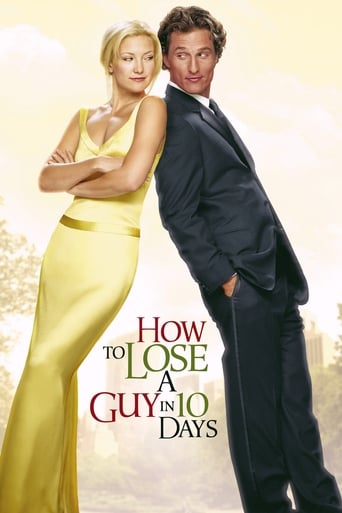
Newspapers and magazines are a favourite setting, since they give characters a reason to deceive each other. How to Lose a Guy in 10 Days, from 2003, has two wagers running at once: Andie, a magazine columnist played by Kate Hudson, must make a man leave her within ten days for an article, and Ben, an advertising man played by Matthew McConaughey, has bet that he can make a woman fall in love with him in the same ten days. Each has chosen the other. Morning Glory, from 2010, stars Rachel McAdams as the eager young producer of a failing breakfast television programme who hires a legendary, bad-tempered newsreader, played by Harrison Ford, to present cookery items. Life or Something Like It, Someone Like You..., Little Black Book and Confessions of a Shopaholic, whose heroine writes a column about saving money while hiding from her own creditors, are set in the same world.
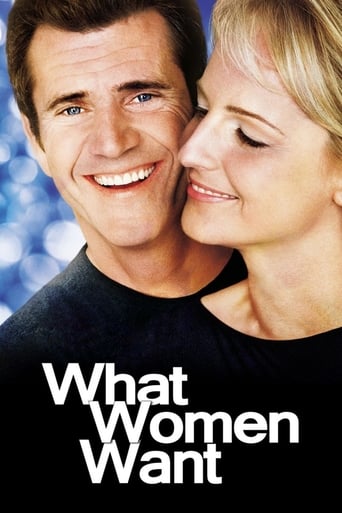
Bosses and those who work for them supply another group. In Two Weeks Notice, from 2002, Sandra Bullock plays an idealistic lawyer who goes to work for a careless property millionaire, played by Hugh Grant, and finds herself choosing his ties. In What Women Want, from 2000, directed by Nancy Meyers, Mel Gibson plays an advertising executive who, after an accident with a hairdryer, can hear what every woman around him is thinking, and uses the gift against his new superior, played by Helen Hunt. In Good Company, from 2004, is a wiser film than its poster suggests: a salesman of fifty, played by Dennis Quaid, is given a manager half his age who then falls for his daughter. The Nanny Diaries, Maid in Manhattan, in which a hotel maid is mistaken for a guest by a politician, Second Act, The Rewrite, with Hugh Grant as a screenwriter reduced to teaching, and Larry Crowne, with Tom Hanks as a man who goes back to college after losing his job, are about work and second starts.
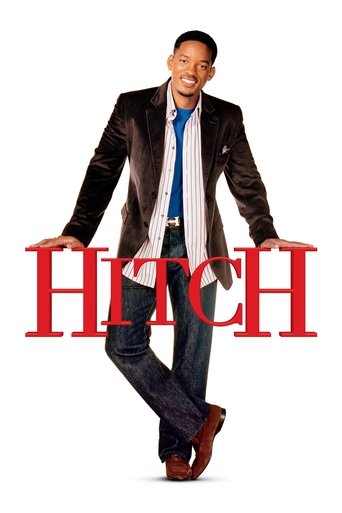
Hitch, from 2005, belongs here as well. Will Smith plays Alex Hitchens, a consultant who coaches shy men through their first three dates and is helpless when he meets a gossip columnist, played by Eva Mendes, who is investigating exactly his kind of business. Kevin James, as a clumsy accountant in love with a famous heiress, has the best scenes. It is the most popular film of its year in the genre and one of the most cheerful.
A touch of magic
Romantic comedy has always borrowed from the fairy tale, and a good many of these films depend on a wish, a ghost or a slip in time. The A touch of magic category holds 29 films, and the A touch of magic help page arranges them.
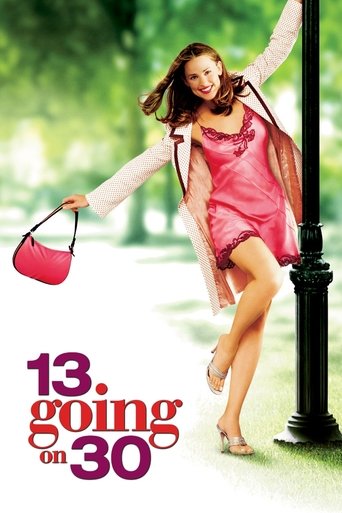
13 Going on 30, from 2004, is the favourite. Jenna, humiliated at her thirteenth birthday party in 1987, wishes she were thirty, and wakes up in 2004 in a Manhattan flat with a job at a fashion magazine and seventeen years she has yet to live through. Jennifer Garner plays the thirteen-year-old in a grown woman's body with complete conviction, Mark Ruffalo plays the boy next door she ought to have noticed, and a dance to an old pop record is the scene everyone remembers. Just My Luck, from 2006, has the luckiest girl in New York exchange fortunes with the unluckiest boy by means of a kiss. When in Rome has a woman take coins from a fountain of love and acquire the men who threw them, and Simply Irresistible is about a chef whose feelings pass into her food.
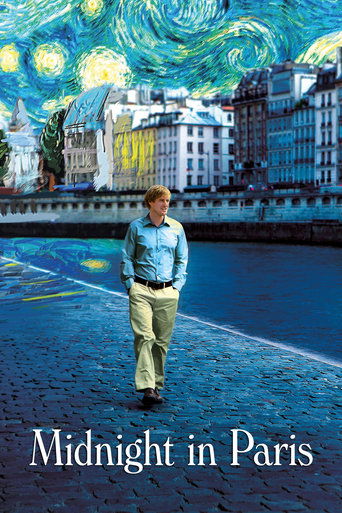
Midnight in Paris, from 2011, is the most admired film in this group. Gil, a Hollywood screenwriter played by Owen Wilson, is on holiday in Paris with a fiancee who is bored by the city he loves. Walking alone at midnight, he is picked up by an old motor car and taken to a party where the guests are the writers and painters of the 1920s. He returns every night. The film is a gentle argument with nostalgia, and it won an Academy Award for its screenplay. Kate & Leopold, from 2001, brings a duke of 1876, played by Hugh Jackman, through a gap in time to modern New York and into the life of a market researcher played by Meg Ryan. Blast from the Past, from 1999, has Brendan Fraser as a young man raised in a fallout shelter by parents who believed the world had ended in 1962, emerging with perfect manners into the Los Angeles of the 1990s.
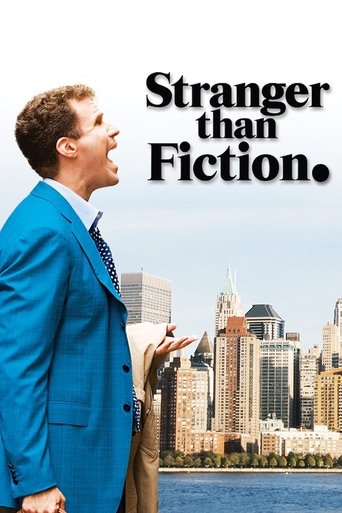
Spirits appear in several films. In Just Like Heaven, from 2005, a lonely man rents a flat in San Francisco and finds that the previous tenant, a young doctor played by Reese Witherspoon, has yet to leave it. In Ghost Town, from 2008, a sour dentist played by Ricky Gervais is able to see all the dead of Manhattan, who want favours. Heart and Souls, from 1993, gives Robert Downey Jr. four guardian spirits with unfinished business, Ghosts of Girlfriends Past sends a bachelor on a tour of his own history the night before his brother's wedding, and Down to Earth and Bewitched play with heaven and witchcraft. Sliding Doors, from 1998, shows two versions of one woman's life, depending on whether she catches an underground train, and Stranger Than Fiction, from 2006, is about a tax inspector, played by Will Ferrell, who begins to hear a novelist narrating his life and learns that she intends to end it.
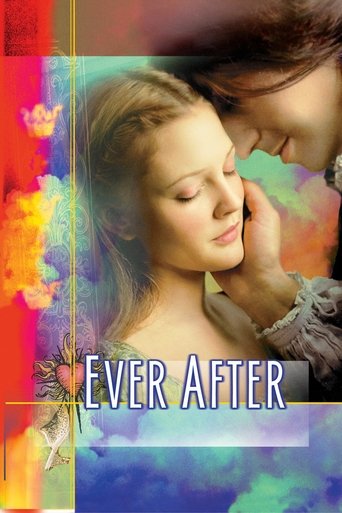
The old stories are retold directly as well, and the From the bookshelf help page lists them. EverAfter, from 1998, tells Cinderella as a historical romance in Renaissance France, with Drew Barrymore as a heroine who rescues herself and Anjelica Huston as a stepmother with reasons of her own. Penelope is a modern fairy tale about an heiress born under a curse, Cinderella, from 2021, is a musical version, and A Cinderella Story: Once Upon a Song moves the tale to a performing arts school. From the bookshelf proper come Emma., from 2020, a bright, exact version of the novel by Jane Austen, Love & Friendship, from an early Austen story, with Kate Beckinsale as the most accomplished schemer in England, A Midsummer Night's Dream, and Sabrina, from 1995, with Harrison Ford and Julia Ormond, about a chauffeur's daughter and two wealthy brothers.
Say Anything..., from 1989, the first film directed by Cameron Crowe, is the model. Lloyd Dobler, played by John Cusack, has few plans for his life beyond kickboxing and being with Diane Court, the cleverest girl in his year, who is about to leave for England. He is honest, attentive and entirely free of guile, and the image of him standing under her window holding a cassette player above his head has been copied ever since. Two more films with Cusack, Better Off Dead..., from 1985, a surreal comedy about a boy who loses his girlfriend to the captain of the ski team, and Serendipity, from 2001, are here.
The 1980s made the school film its own: Teen Wolf, with Michael J. Fox as a basketball player with a family secret, Real Genius, set among the prodigies of a science institute, Mannequin, Career Opportunities and Hairspray, from 1988, set in the Baltimore of 1962, where a cheerful teenager dances her way on to a television programme and helps to integrate it. Now and Then, from 1995, looks back on the summer of four girls of twelve.
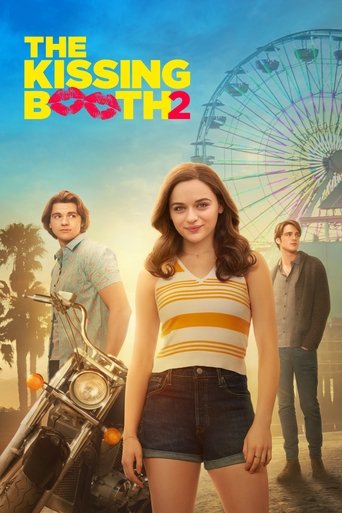
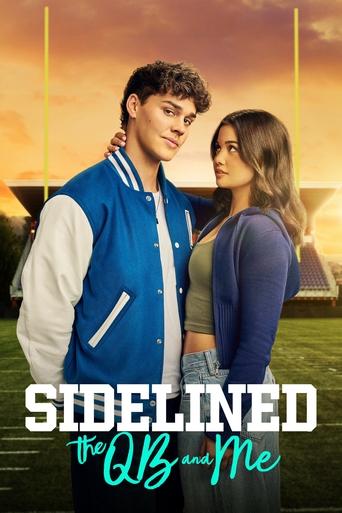
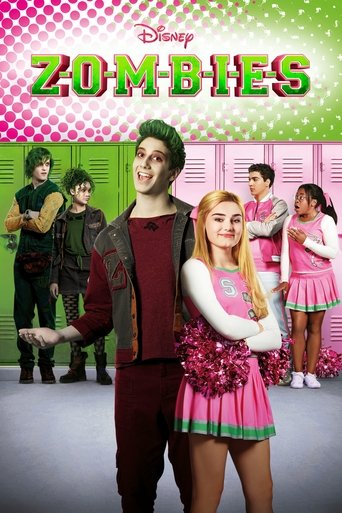
Streaming services revived the form in the late 2010s. The Perfect Date, from 2019, has a schoolboy saving for university who hires himself out as a stand-in escort to dances, with a different personality for every client. Tall Girl, from the same year, is about the tallest girl in her school and the exchange student who is taller. The Kissing Booth 2 and The Kissing Booth 3 follow Elle through her last year of school and the summer before college, Z-O-M-B-I-E-S is a musical in which a cheerleader befriends a boy from the wrong side of a very unusual town, and Sidelined: The QB and Me and The Other Zoey are more recent. College is the setting of The Prince & Me, in which a medical student in Wisconsin discovers that her laboratory partner is the crown prince of Denmark, First Daughter, Down to You, Post Grad, and My Oxford Year, from 2025.
Holidays abroad
A change of country works wonders in these films. The Holidays abroad category holds 33 films, and the Holidays abroad help page arranges them by destination.
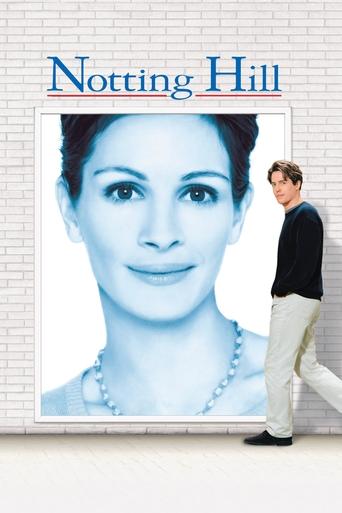
Notting Hill, from 1999, written by Richard Curtis, is set at home for its hero and abroad for its heroine. William Thacker, played by Hugh Grant, owns a travel bookshop in west London that sells very few books. One day the most famous film star in the world, Anna Scott, played by Julia Roberts, walks in to buy one; a little later he spills orange juice over her in the street. The film follows them through a year of meetings and partings, with a houseful of friends, a Welsh flatmate and a press conference at the Savoy, and it has one of the best-loved last lines in the genre. It is the most popular title in this catalogue after 50 First Dates.
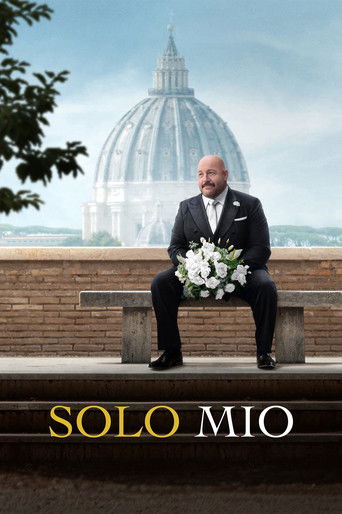
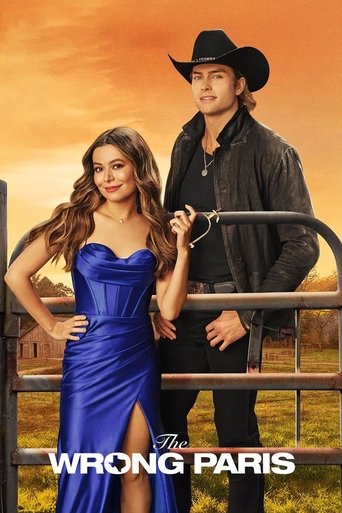
Italy is the favourite destination. In Letters to Juliet, from 2010, a young American in Verona finds a fifty-year-old letter left in the wall of Juliet's house, answers it, and sets off across Tuscany with its writer, played by Vanessa Redgrave, to look for the man she left behind. Under the Tuscan Sun, from 2003, has Diane Lane as a writer who buys a crumbling villa on impulse after her divorce. Solo Mio, from 2026, sends a man on his honeymoon alone. France has French Kiss, from 1995, with Meg Ryan as a woman afraid of flying who crosses the Atlantic to recover her fiance and falls in with a French rogue played by Kevin Kline; A Good Year, with Russell Crowe as a London banker who inherits a vineyard in Provence; and The Wrong Paris. Ireland has Leap Year, in which Amy Adams crosses the country to propose on the twenty-ninth of February, and Irish Wish.
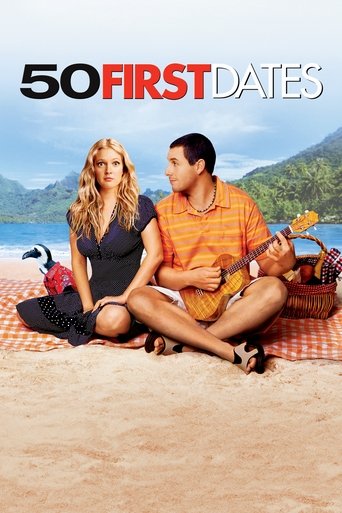
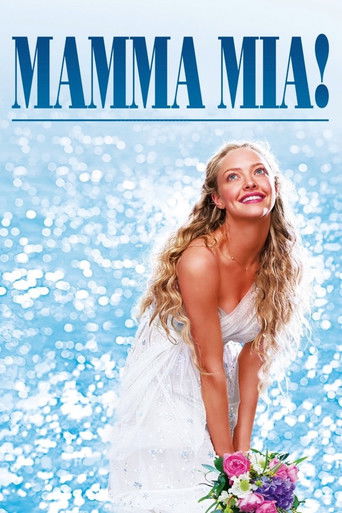
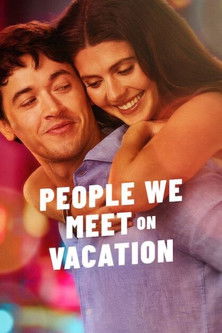
Islands do as well as continents. Mamma Mia!, from 2008, is set on a Greek island, where Sophie, about to be married, invites three men from her mother's past in the hope that one is her father; the story is told through the songs of ABBA, and Meryl Streep, as the mother, sings and dances with abandon. Mamma Mia! Here We Go Again, from 2018, moves between the present and the summer of 1979. 50 First Dates, from 2004, is set in Hawaii: Henry, a vet at a sea-life park, played by Adam Sandler, meets Lucy, played by Drew Barrymore, over breakfast, and learns the next morning that since an accident she wakes each day with her memory of the day before gone. He resolves to win her afresh every day. Aloha, Love Wrecked, Blended, set at a resort in South Africa, My Life in Ruins, about a tour guide in Greece, and People We Meet on Vacation, from 2026, about two friends who take one holiday together every year, complete the atlas.
Families
The Families category is the largest, with 81 films, and the Families help page picks from it. Many romantic comedies are really about the family that comes with the beloved.
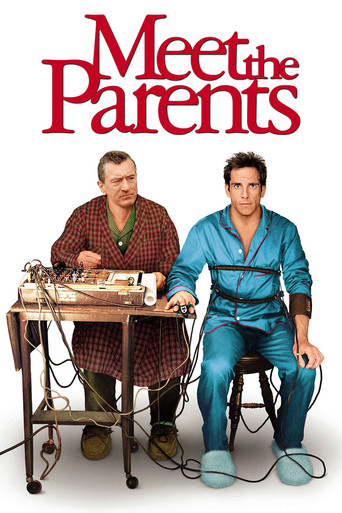
Meet the Parents, from 2000, is the classic of the kind. Greg, a male nurse played by Ben Stiller, spends a weekend at the home of his girlfriend's parents, intending to propose, and meets her father, a retired gentleman played by Robert De Niro who seems to know a great deal about lie detectors. Everything Greg touches breaks, including an urn. Guess Who, Monster-in-Law, in which Jane Fonda plays a television interviewer determined to see off her son's fiancee, You Again, Because I Said So and Something's Gotta Give, from 2003, in which a playwright played by Diane Keaton finds her daughter's elderly admirer, played by Jack Nicholson, recovering in her beach house, are comedies of parents and partners.
Children change the story in others. Look Who's Talking, from 1989, is told partly by a baby, Mikey, whose thoughts are spoken by Bruce Willis while his mother, played by Kirstie Alley, looks for a suitable father and overlooks the taxi driver, played by John Travolta, who delivered her to the hospital. Look Who's Talking Too and Look Who's Talking Now! followed. In Life As We Know It, from 2010, two single people who dislike each other are named joint guardians of their best friends' baby daughter. Jersey Girl, Raising Helen, Curly Sue, Dan in Real Life, with Steve Carell as a widowed father of three who meets a wonderful woman in a bookshop an hour before she is introduced as his brother's girlfriend, Definitely, Maybe, in which a father tells his daughter the story of the three women he might have married and lets her guess which is her mother, and About a Boy, from 2002, in which an idle bachelor played by Hugh Grant is adopted, against his will, by a lonely twelve-year-old, are among the best films in the catalogue.
Sisters and friends carry In Her Shoes, Stepmom, a drama with comedy about a mother and the younger woman who will help raise her children, Where the Heart Is, Hope Floats, Beauty Shop and Spanglish, from 2004, directed by James L. Brooks, about a Mexican housekeeper and her daughter in the home of a celebrated chef. Older couples have Hope Springs, with Meryl Streep and Tommy Lee Jones as a husband and wife of thirty years who visit a counsellor in a small town in Maine, And So It Goes, Maybe I Do and Shall We Dance?, in which a tired lawyer played by Richard Gere secretly takes up ballroom dancing.
Leading ladies
The romantic comedy is one of the few genres built around its actresses, and the Leading ladies category holds 63 films. The Leading ladies help page introduces them.
Sleepless in Seattle, from 1993, written and directed by Nora Ephron, deserves its own paragraph. Sam, an architect in Seattle played by Tom Hanks, has lost his wife; his eight-year-old son telephones a national radio programme on Christmas Eve to say that his father needs a new one. Annie, a journalist in Baltimore played by Meg Ryan, hears the broadcast in her car and is unable to forget the voice, though she is engaged to someone else. The two leads share the screen for about two minutes, at the very end, on the observation deck of the Empire State Building, and the film is in love with an older film, An Affair to Remember, which its women quote and its men fail to understand.
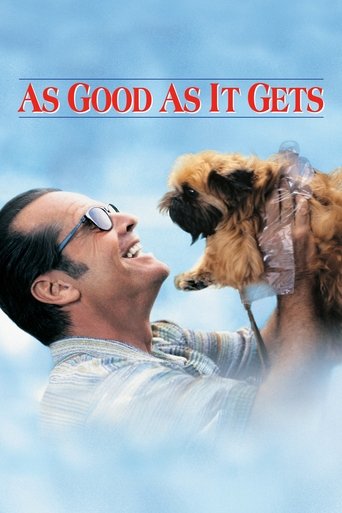
Jack Nicholson won an Academy Award for As Good as It Gets, from 1997, directed by James L. Brooks, in which he plays Melvin Udall, a novelist with obsessive habits and a gift for insult, whose routine depends on one waitress, played by Helen Hunt, at one restaurant; when her son falls ill and she stays at home, Melvin is forced, for entirely selfish reasons, to become a better man. Helen Hunt won the award for best actress. Jim Carrey is here in Yes Man, from 2008, as a man who promises to say yes to every request for a year. Will Ferrell, Steve Carell, Ben Stiller, Ashton Kutcher, in Just Married, Guess Who, A Lot Like Love and Your Place or Mine, Greg Kinnear, Pierce Brosnan, in Laws of Attraction and Mamma Mia!, and Colin Firth, in What a Girl Wants and Magic in the Moonlight, complete the company.
Writers and directors
The Directors help page names the people behind the camera, and they are worth knowing, since the genre depends on writing more than any other. Nora Ephron, a journalist and essayist, wrote and directed Sleepless in Seattle and Bewitched, and her sharp, affectionate dialogue set the tone of the 1990s. Nancy Meyers, who wrote Father of the Bride and directed What Women Want and Something's Gotta Give, is known for grown-up characters and enviable kitchens. Richard Curtis wrote Notting Hill.
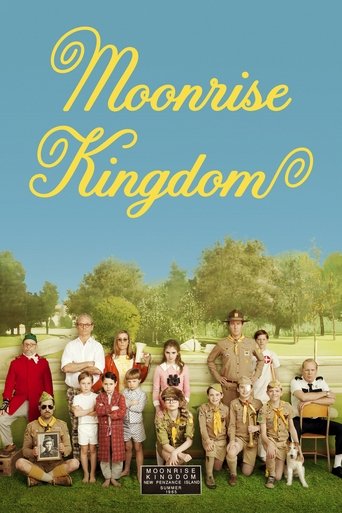
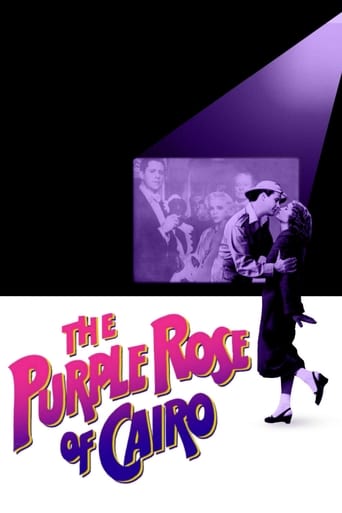
A few distinguished directors visited the genre once. Wes Anderson made Moonrise Kingdom, from 2012, about two twelve-year-olds who run away together on an island off New England in 1965, pursued by a scout troop, a policeman and her parents; it is exact, funny and touching, and quite unlike anything else here. Kenneth Branagh filmed Shakespeare in Tuscany, Ridley Scott went to Provence, Sydney Pollack remade Sabrina, and Woody Allen, besides Midnight in Paris, made The Purple Rose of Cairo, from 1985, in which a film character steps down from the screen to meet a waitress who has seen his picture five times, and Magic in the Moonlight.
The 1990s
The 1990s are remembered as the golden decade of the form, and the The 1990s help page explains why. Cinemas were full of adults, studios made films of moderate cost for them, and a group of writers and stars knew exactly what they were doing. Besides the famous titles, the decade left a shelf of smaller pleasures. It Could Happen to You, from 1994, is based loosely on a true story: a policeman who has left his wallet at home promises a waitress half his lottery ticket as a tip, and wins four million dollars. Housesitter, Fools Rush In, French Kiss, The Mirror Has Two Faces, directed by and starring Barbra Streisand as a professor who agrees to a marriage of minds only, Sliding Doors, Reality Bites, about four graduates and a video camera, and Empire Records, set during one day in a record shop, all repay a visit.
The decade also set the rules that later films follow or tease. There is the first meeting that goes wrong, which the trade calls the meet-cute; the best friend who says aloud what the audience is thinking; the misunderstanding at the three-quarter mark; and the dash across a city in the final reel. Films of the 2000s such as Hitch and Serendipity play these rules straight, and later ones such as Always Be My Maybe, from 2019, about two childhood friends from San Francisco who meet again when one is a celebrated chef and the other still lives at home, enjoy bending them. Knowing the rules leaves the pleasure untouched; it is rather like knowing the steps of a dance, which makes it easier to admire how well a particular couple performs them. Viewers who watch several of these films in a row soon start to spot each step as it arrives, and to smile when a film finds a fresh way to take it.
The Best rated category gathers the 46 films rated 6.8 or more out of ten by viewers around the world. Critics have often been hard on the genre and audiences kind, so a film of middling score may still be exactly what an evening needs; the Most Popular grid on the home page, ordered by the number of votes, is a second guide.
Finding a film
There are several ways to find a film on MoviesDrive, and the Finding titles help page describes each one. The search box under the menu accepts a title and shows matching films as you type. The teal chips at the top of the home page open the categories, the A to Z page lists all 195 films in alphabetical order, and the Hollywood page lists them by popularity.
A few titles need care. Two films are called Overboard: Overboard, from 1987, with Goldie Hawn and Kurt Russell, and Overboard, from 2018, which reverses the parts. Titles that begin with a number, 13 Going on 30, 27 Dresses and 50 First Dates, are filed before the letter A. Punctuation is ignored by the search, so Emma, Say Anything and Mamma Mia will each be found as typed, and one distinctive word, such as Serendipity, Penelope or Spanglish, is usually enough.
What a title page shows
A title page is laid out the same way for every film. The poster is at the top, with the title, the year, the running time and the average rating from viewers around the world beside it. Under these are the story, the genres, the director and the main cast, followed by a row of films from the same categories. The Watch now button opens the list of official services that offer the film in your country.
Romantic comedies are among the easiest films to find legally. Every large streaming service keeps a deep shelf of them, the studios' own services hold their back catalogues, and nearly all can be rented or bought for a small sum from the digital shops. Many are offered with Hindi and other soundtracks or subtitles, which can be chosen in the player. What is included in a subscription changes from month to month, so the list on each title page is the place to look.
The Add to My List button on a title page sets a film aside. The list is saved by the browser you are using, asks for neither an email address nor a password, and opens from the My List link at the end of the blue menu. The My List help page explains how to take a film off the list and how to carry the list to another device.
It is worth saying a word in defence of the genre. Romantic comedies are sometimes treated as lesser films, yet the craft they require, a story that surprises while keeping its promise, two performers the audience wants to see together, dialogue that sounds like the best version of real talk, is as demanding as any. The films gathered here have lasted because people return to them, in good times and especially in bad ones, and a guide that helps a family choose the right one for the evening is doing useful work.
What the ratings mean
Every film on MoviesDrive was rated PG-13, PG or G by the American ratings board when it was released. G means suitable for all ages. PG suggests that parents may want to watch with younger children. PG-13, the commonest rating here, advises that some material may be unsuitable for children under thirteen; in a romantic comedy this usually means a few jokes that adults will catch and children will miss, and some mild language. Films that received the stricter R rating were left out, and so were PG-13 comedies whose humour is mainly crude.
The films on MoviesDrive are selected one at a time. Each one was checked against its certificate and then looked at by a person, who read the story and the parents' notes before admitting it. The descriptions are concise, the years and running times agree with the public film databases, and the posters are the official ones. The grids on the home page, the chips and the counts in the lists are rebuilt each time the catalogue is refreshed.
MoviesDrive is a guide. It keeps neither films nor download files; the Watch now button opens an official, licensed service, so the people who made the film are paid when you watch.
Questions and answers
Questions
What is MoviesDrive?
MoviesDrive is a guide to 195 Hollywood romantic comedies made between 1985 and 2026. Each film has a page with its story, year, running time, director and cast, and a Watch now button that leads to the official services carrying it in your country.
Which films should I watch first?
Start with Notting Hill, Sleepless in Seattle, 13 Going on 30, My Best Friend's Wedding, Hitch and 50 First Dates. The first-week plan in the guide suggests many more.
Is the catalogue suitable for families?
Every film is rated PG-13 or gentler in the United States and was checked again by hand. The guide also names the gentlest titles for younger children.
Which stars appear most often?
Hugh Grant, Jennifer Lopez and Diane Keaton have seven films each, and Julia Roberts, Kate Hudson, Drew Barrymore and Reese Witherspoon have six each.
Are there films with Hindi audio?
Many official services offer these films with Hindi and other soundtracks or subtitles. The services listed on each title page show the languages they provide.
How are the films arranged?
By situation, such as weddings, workplaces, holidays abroad and a touch of magic, by stars, and by decade. The teal chips on the home page open each category.
How does My List work?
Press Add to My List on the page of any film. The list is kept by your own browser, free of charge, and the My List link in the menu opens it.
Does MoviesDrive host films or downloads?
MoviesDrive is a guide only. Every Watch now button leads to an official, licensed service.